

Sustainability has become a defining priority in global industries. As supply chains expand and environmental regulations tighten, businesses are increasingly seeking packaging solutions that reduce ecological impact without compromising strength, safety, or efficiency.
Modern industrial packaging is no longer just about protecting goods during transit—it is about minimizing waste, optimizing material usage, and supporting long-term environmental goals. Manufacturers are redesigning products, improving production processes, and investing in innovative materials to align with global sustainability standards.
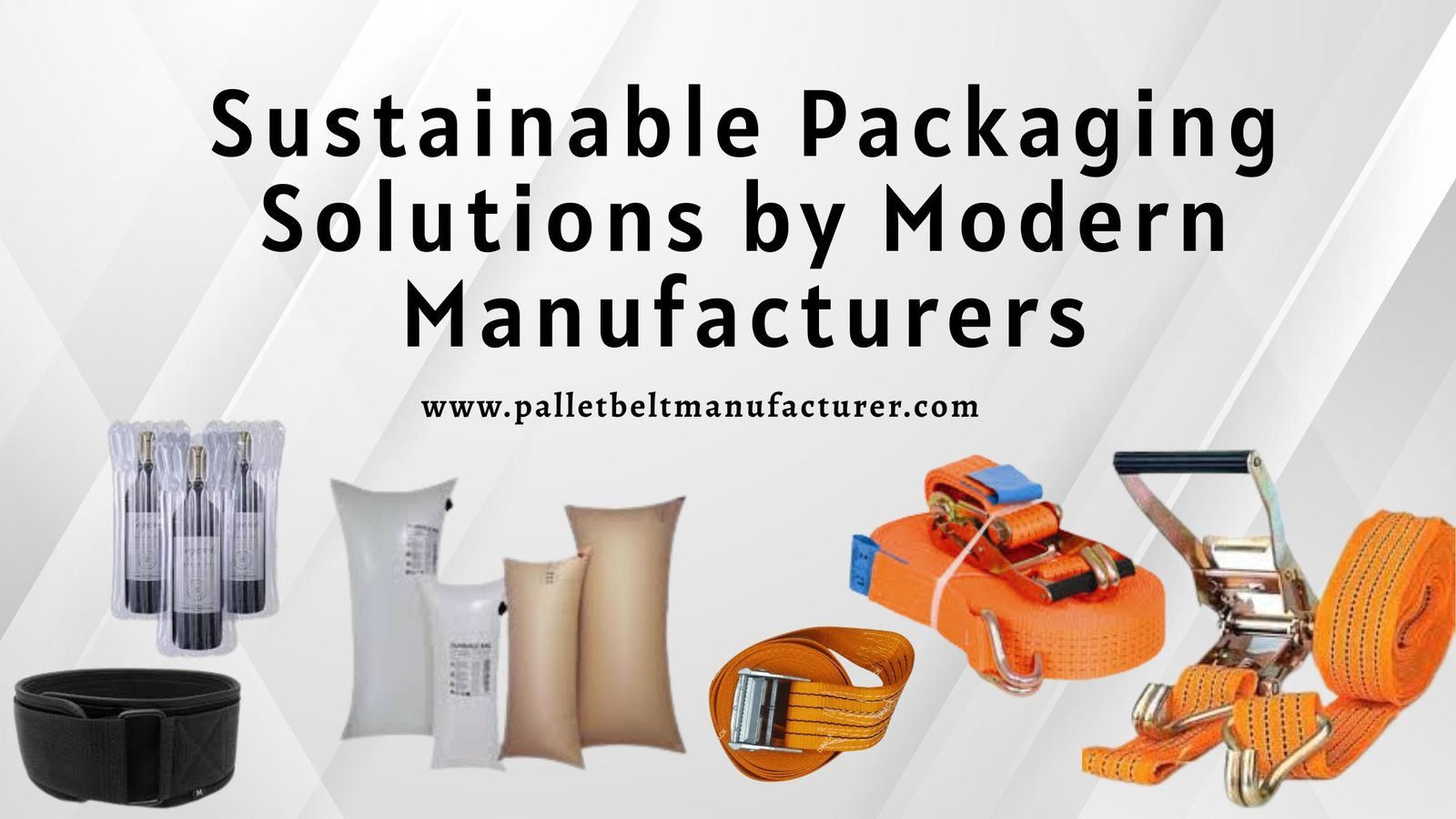
As a responsible Pallet Belt Manufacturer, DPack focuses on delivering durable, reusable, and performance-driven packaging systems that support environmentally conscious logistics operations.
Why Sustainability Matters in Industrial Packaging
Industrial packaging plays a significant role in global trade. Every day, millions of shipments are secured, wrapped, and transported across road, rail, sea, and air networks. The materials used in this process directly impact resource consumption and waste generation.
Sustainable packaging solutions help industries:
- Reduce carbon footprint
- Minimize single-use plastics
- Improve recyclability
- Lower material waste
- Enhance brand reputation
Businesses that adopt eco-friendly packaging practices not only contribute to environmental protection but also strengthen customer trust and regulatory compliance.
Key Elements of Sustainable Packaging Solutions
Modern manufacturers are integrating sustainability at every stage—from product design to manufacturing and lifecycle management.
1. Reusable Load Securing Systems
One of the most effective ways to reduce packaging waste is by promoting reusable products. High-quality pallet belts and lashing systems can be used multiple times without performance degradation.
As a leading Pallet Belt Manufacturer, DPack designs durable polyester webbing belts that withstand repeated use across logistics cycles, significantly reducing disposable packaging materials.
Reusable systems lower long-term costs while supporting environmental goals.
2. Optimized Material Usage
Modern packaging manufacturers focus on engineering products that achieve maximum strength with minimal material usage.
Advanced weaving techniques and high-tensile fibers allow pallet belts and strapping systems to deliver superior load stability without unnecessary bulk. This reduces raw material consumption and decreases shipping weight, leading to lower fuel usage during transport.
Material optimization is a crucial step toward sustainable industrial packaging.
3. Recyclable and Eco-Friendly Materials
The use of recyclable materials is becoming standard in sustainable packaging solutions. Polyester webbing, composite strapping, and certain wrapping materials can be recycled after their service life.
Manufacturers are increasingly adopting environmentally responsible raw materials and reducing reliance on non-recyclable plastics.
DPack emphasizes eco-conscious material selection while maintaining the durability and reliability required for industrial applications.
4. Long Product Lifespan
Durability directly supports sustainability. Products that last longer reduce replacement frequency and minimize overall waste generation.
High-quality pallet belts and load securing systems from DPack are designed to maintain tensile strength and tension retention even under demanding logistics conditions.
Investing in long-lasting packaging solutions significantly lowers the environmental footprint of industrial operations.
Sustainable Manufacturing Practices
Sustainability extends beyond the final product. Modern manufacturers are improving production processes to reduce energy consumption and minimize industrial waste.
Responsible manufacturing practices include:
- Efficient energy use in production facilities
- Waste reduction during material processing
- Recycling of production scrap
- Water conservation in industrial operations
A forward-thinking Pallet Belt Manufacturer integrates sustainability into both product design and operational processes.
Reducing Carbon Footprint Through Lightweight Design
Transportation contributes significantly to carbon emissions. Lightweight packaging materials reduce shipment weight and fuel consumption.
High-performance pallet belts offer exceptional strength-to-weight ratios, enabling industries to maintain cargo stability while minimizing added mass.
By adopting lightweight yet strong load securing systems, companies improve logistics efficiency and reduce environmental impact.
Supporting Circular Economy Goals
The concept of a circular economy focuses on keeping products and materials in use for as long as possible. Reusable pallet belts, recyclable materials, and repair-friendly load securing systems align with this principle.
Instead of discarding packaging after a single use, industries can adopt sustainable models that emphasize reuse, refurbishment, and recycling.
DPack’s durable packaging systems contribute to this circular approach by extending product lifecycle and reducing landfill waste.
Sustainable Solutions for Diverse Industries
Different industries benefit from eco-friendly packaging in various ways.
- Manufacturing: Durable reusable belts reduce waste in repetitive shipment cycles.
- Construction: Strong and long-lasting lashing systems prevent frequent replacements.
- Export logistics: Lightweight materials lower freight costs and emissions.
- E-commerce: Efficient packaging reduces material consumption in high-volume shipments.
A reliable Pallet Belt Manufacturer provides adaptable solutions to meet sector-specific sustainability goals.
Compliance with Environmental Regulations
Governments worldwide are introducing stricter environmental regulations related to packaging waste and carbon emissions. Businesses must comply with these guidelines to avoid penalties and maintain market access.
Sustainable packaging solutions help companies:
- Meet regulatory requirements
- Improve ESG (Environmental, Social, Governance) performance
- Enhance global trade credibility
Manufacturers that prioritize eco-conscious production help clients stay compliant in competitive markets.
Economic Benefits of Sustainable Packaging
Sustainability is not only environmentally beneficial—it is also economically advantageous.
Businesses can achieve cost savings through:
- Reduced material consumption
- Lower disposal costs
- Decreased product damage
- Longer product lifecycle
- Improved operational efficiency
Reusable pallet belts and durable securing systems reduce recurring expenses, offering better return on investment.
By choosing high-quality products from DPack, industries benefit from both sustainability and cost optimization.
Innovation Driving the Future of Sustainable Packaging
Technological innovation continues to reshape industrial packaging. Modern manufacturers are investing in:
- Advanced fiber technologies
- Improved webbing strength
- Enhanced tension retention systems
- Environmentally responsible material sourcing
The future of packaging lies in balancing performance with sustainability. As supply chains evolve, packaging solutions must adapt to meet higher environmental standards without compromising load safety.
DPack remains committed to continuous innovation in sustainable load securing systems.
Why Choose DPack for Sustainable Packaging Solutions
As an established Pallet Belt Manufacturer, DPack combines durability, innovation, and environmental responsibility.
Their sustainable packaging solutions offer:
- Reusable and long-lasting pallet belts
- High-strength, lightweight webbing
- Reduced material waste
- Industry-compliant load securing systems
- Customized solutions for diverse industries
By focusing on eco-friendly practices and durable engineering, DPack supports industries in achieving greener supply chains.
Conclusion
Sustainable packaging solutions are no longer optional—they are essential for modern industrial operations. As environmental awareness grows and regulations become stricter, businesses must adopt packaging systems that reduce waste, conserve resources, and improve efficiency.
Reusable pallet belts, recyclable materials, lightweight designs, and responsible manufacturing practices define the future of industrial packaging.
Partnering with a forward-thinking Pallet Belt Manufacturer like DPack ensures access to durable, eco-conscious, and performance-driven load securing systems designed for sustainable global logistics.
Investing in sustainable packaging today builds stronger supply chains, protects the environment, and supports long-term business growth.