

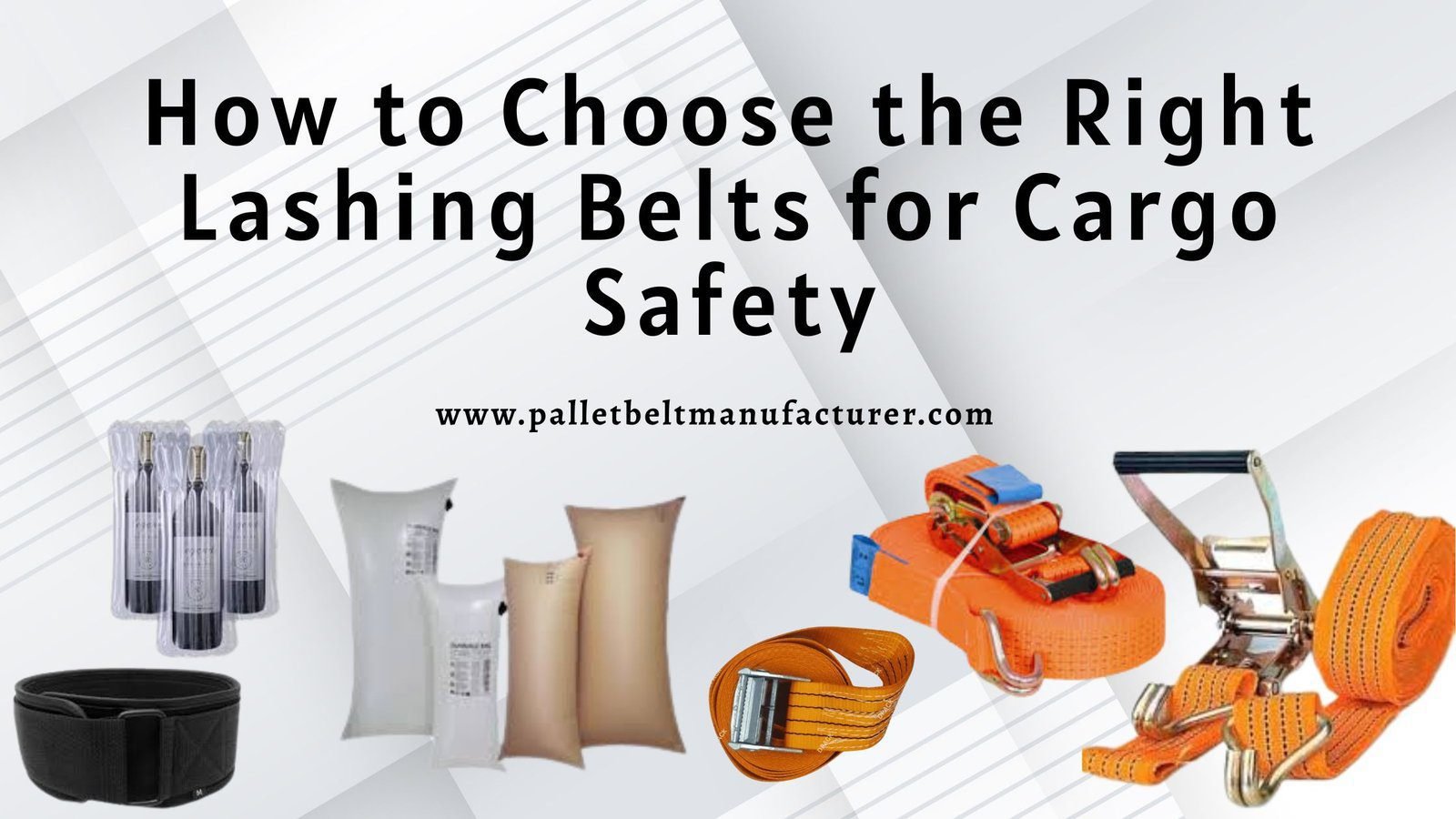
Cargo safety is one of the most critical aspects of logistics, transportation, and material handling operations. Whether goods are transported by truck, container, rail, or ship, improper load securing can lead to cargo shifting, product damage, financial losses, and safety hazards.
Selecting the right lashing belts ensures that cargo remains stable throughout transit, even under sudden braking, vibration, or uneven road conditions. As an experienced Lashing Belts Manufacturer, DPack provides high-strength, industry-compliant lashing solutions designed for reliable cargo protection.
This detailed guide will help you understand how to choose the right lashing belts for maximum cargo safety.
Understanding the Importance of Lashing Belts
Lashing belts are load securing straps designed to hold cargo firmly in place during transportation. They prevent horizontal and vertical movement of goods and ensure that loads remain stable from origin to destination.
Without proper lashing systems, cargo may:
- Shift during transit
- Tip over inside containers
- Cause vehicle imbalance
- Damage surrounding goods
- Lead to compliance violations
Investing in the right lashing belt system significantly reduces these risks and improves transportation efficiency.
Key Factors to Consider When Choosing Lashing Belts
Choosing the correct lashing belt requires evaluating multiple technical and operational factors.
1. Load Weight and Working Load Limit (WLL)
The first and most important factor is load capacity. Every lashing belt has a Working Load Limit (WLL), which indicates the maximum safe load it can secure.
Heavier cargo requires belts with higher tensile strength and reinforced webbing. Always select a belt with a WLL greater than the weight of the cargo being secured.
A professional Lashing Belts Manufacturer, such as DPack, ensures proper load rating labeling and safety compliance.
2. Type of Cargo
Different cargo types require different securing approaches.
Fragile goods require controlled tension to avoid compression damage. Heavy machinery and industrial equipment require high-tension belts with strong locking mechanisms.
Palletized cartons, steel structures, pipes, and machinery all have unique securing needs.
Understanding cargo characteristics helps determine the appropriate belt type and width.
3. Belt Material Quality
High-quality lashing belts are typically manufactured using industrial-grade polyester webbing. Polyester is preferred because it offers:
- High tensile strength
- Low stretch properties
- Resistance to abrasion
- UV resistance
- Moisture resistance
Inferior materials may stretch excessively or tear under load, compromising cargo safety.
4. Belt Width and Length
Wider belts distribute tension more evenly and provide better load stability for heavy cargo.
Longer belts are required for large containers or oversized loads. Custom sizing options are often available from reliable manufacturers.
Selecting the correct dimensions ensures efficient and secure load binding.
5. Locking Mechanism Type
Lashing belts are available with different tensioning systems.
Ratchet-based lashing belts provide higher tension and are ideal for heavy-duty industrial use.
Cam buckle lashing belts are suitable for lighter loads and quick operations.
Choosing the right mechanism depends on load weight and required tension control.
6. Transportation Environment
Consider the transport conditions before selecting lashing belts.
Long-distance trucking involves vibration and sudden braking.
Sea freight requires corrosion-resistant hardware due to salt exposure.
Rail transport involves continuous movement and dynamic forces.
Selecting belts with corrosion-resistant metal components improves durability in harsh environments.
Safety and Compliance Standards
Cargo securing must comply with transportation safety regulations. Using certified lashing belts ensures:
- Proper load rating documentation
- Compliance with transport safety norms
- Reduced accident risks
- Legal protection during inspections
Working with an experienced Lashing Belts Manufacturer like DPack guarantees industry-standard production quality.
Importance of Regular Inspection
Even high-quality belts require routine inspection. Before every use, check for:
- Webbing cuts or fraying
- Damaged stitching
- Corroded metal components
- Malfunctioning ratchet mechanisms
Replacing worn belts prevents cargo instability and safety hazards.
Benefits of Choosing the Right Lashing Belts
Selecting appropriate lashing belts provides multiple operational advantages.
Cargo remains secure even during sudden stops or sharp turns. Product damage and return rates decrease significantly. Driver safety improves as load movement is minimized. Transportation efficiency increases because properly secured loads reduce delays caused by cargo adjustment.
Reliable lashing solutions also enhance brand reputation by ensuring consistent delivery quality.
Customization and Professional Support
Industrial operations often require customized lashing belts based on cargo size, industry standards, and specific transport routes.
An experienced Lashing Belts Manufacturer like DPack offers tailored solutions including:
- Custom belt lengths
- Specific load ratings
- Heavy-duty industrial variants
- Reinforced stitching patterns
- Durable ratchet systems
Professional consultation ensures optimal load securing performance.
Cost vs Long-Term Safety
While lower-cost belts may appear economical, poor-quality materials can lead to cargo damage, legal penalties, and safety incidents.
Investing in certified, high-strength lashing belts reduces long-term operational risks and replacement frequency.
Quality belts provide better durability, reliability, and cost efficiency over time.
Why Choose DPack
As a trusted Lashing Belts Manufacturer, DPack offers:
- High-tensile polyester webbing
- Certified load capacities
- Industrial-grade ratchet assemblies
- Corrosion-resistant hardware
- Custom manufacturing options
- Reliable quality control processes
Their products are widely used across logistics, warehousing, construction, and export industries.
Conclusion
Choosing the right lashing belts is essential for ensuring cargo safety during transportation. By evaluating load weight, material quality, locking mechanism, environmental conditions, and compliance standards, businesses can significantly reduce transportation risks.
Partnering with a reliable Lashing Belts Manufacturer like DPack ensures durable, certified, and high-performance load securing solutions.
Invest in the right lashing belts today to protect your cargo, reduce operational risks, and improve transportation safety.