


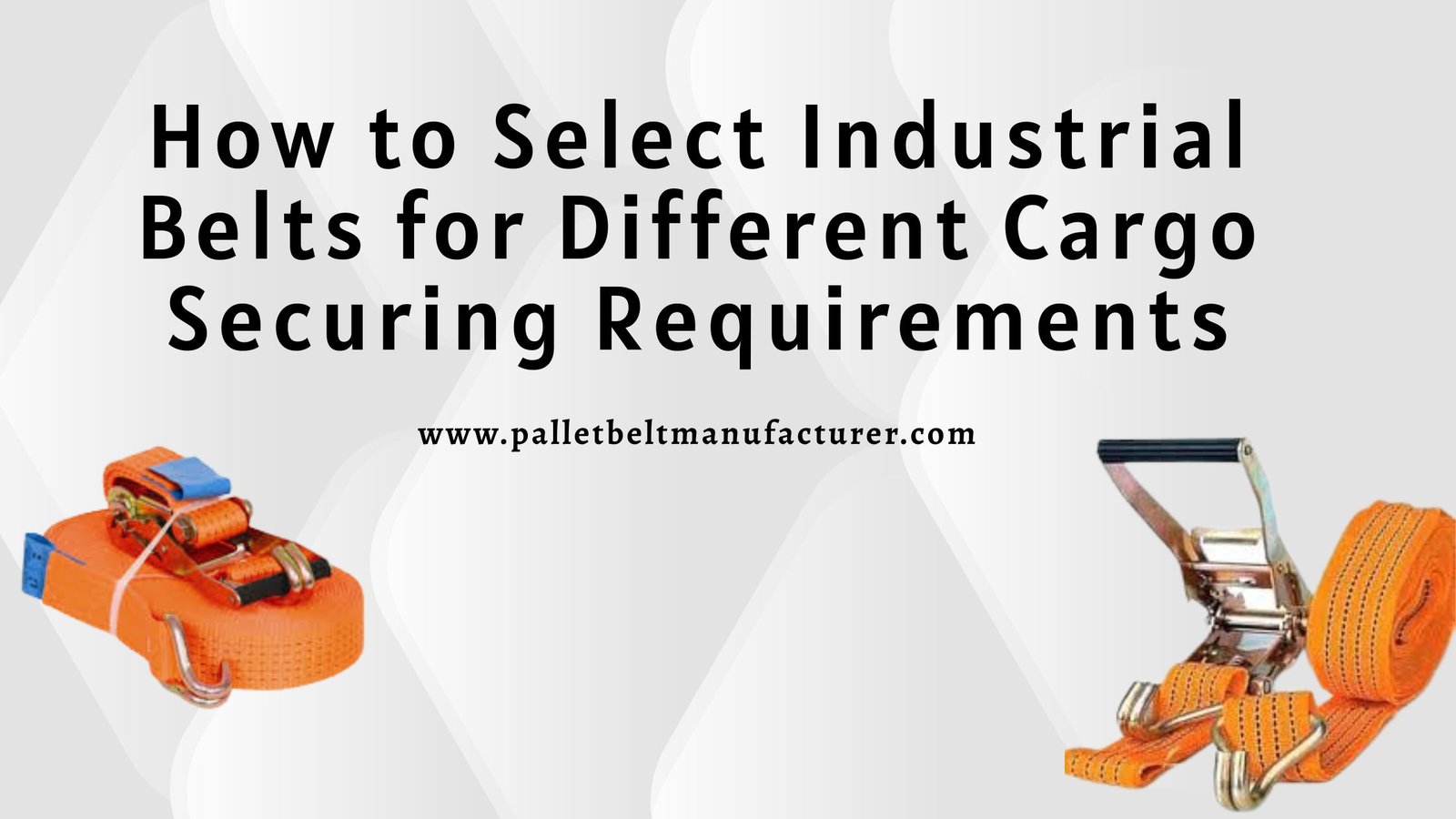
Securing cargo properly is an essential part of transportation, warehousing, and industrial logistics. Whether a business ships heavy machinery, palletized goods, construction materials, or packaged products, choosing the right securing equipment helps reduce unwanted movement and protect goods during transit.
Industrial belts are widely used to restrain cargo in trucks, shipping containers, trailers, and other transportation environments. However, different loads require different belt specifications, attachment methods, and securing arrangements. Selecting an unsuitable belt can increase the risk of cargo shifting, packaging damage, and transportation delays.
A Cargo Lashing Belt is designed to help restrain goods during transportation when used according to its rated capacity and the manufacturer’s instructions. For businesses exploring cargo-securing solutions, understanding the key selection factors can make purchasing decisions more effective. Dpack offers packaging and cargo-securing solutions for businesses, and selecting the appropriate belt starts with understanding the specific requirements of each shipment.
Understand the Type of Cargo Being Secured
The first step in selecting an industrial belt is identifying the cargo type. Different goods have different weights, dimensions, surface characteristics, and packaging strengths, which influence the securing method required.
For example, palletized cartons may require belts that provide suitable restraint without crushing the packaging. Heavy machinery may need high-capacity lashing systems combined with blocking or bracing. Long industrial materials may require multiple restraint points to control movement along their length.
Before choosing a belt, evaluate the cargo’s weight, shape, centre of gravity, packaging condition, and susceptibility to surface damage. These details help determine the type of belt, its required capacity, and whether additional cargo-securing equipment is necessary.
Choose the Correct Belt Capacity
Load capacity is one of the most important factors when purchasing a Cargo Lashing Belt. The belt must be appropriate for the load and the forces that may occur during transportation.
Buyers should review the rated lashing capacity and relevant product markings. Breaking strength, lashing capacity, and lifting working load limits are different measurements and should not be treated as interchangeable.
The correct capacity depends on several factors, including cargo weight, direction of restraint, number of belts, strap arrangement, friction between surfaces, and the strength of the anchoring points.
For heavy or irregularly shaped cargo, the securing arrangement may require additional restraint methods. Always follow the manufacturer’s specifications and applicable cargo-securing requirements rather than selecting a belt based on its appearance or width alone.
Select the Right Belt Material
Industrial cargo-securing belts are commonly manufactured from synthetic webbing, with polyester being a widely used option. The material influences strength, flexibility, stretch characteristics, and resistance to everyday environmental exposure.
When comparing belt materials, consider the operating conditions and type of cargo.
- Strength and durability: The webbing must meet the requirements of the intended securing application.
- Stretch characteristics: Lower elongation may help maintain more predictable restraint, depending on the system design.
- Abrasion resistance: Belts should be suitable for the contact surfaces and handling conditions involved.
- Moisture resistance: Consider exposure to rain, humidity, and damp storage.
- Environmental compatibility: Check suitability for sunlight, chemicals, or temperature extremes where relevant.
The best material depends on the application and manufacturer specifications. Even durable synthetic webbing can be damaged by sharp edges, excessive heat, or unsuitable chemicals.
Consider the Cargo Weight and Dimensions
The dimensions and weight of cargo influence how industrial belts should be selected and positioned. Compact loads may have different restraint needs from long, bulky, or unevenly distributed loads.
Before purchasing, measure the cargo and identify suitable anchoring points. Consider the distance between attachment points, the available routing path, and whether the belt will pass over or around the load.
A belt that is too short may not reach the required attachment points, while excessive length can create loose webbing that must be managed safely. Width should also be considered, but a wider belt does not automatically offer the required capacity.
For unusually shaped or oversized cargo, seek advice on the complete securing arrangement instead of relying on belt dimensions alone.
Match the Belt to the Transportation Method
Cargo may travel by road, rail, sea, or a combination of transportation modes. Each mode can expose goods to different forces and operating conditions.
Road transport may involve sudden braking, cornering, and vibration. Rail transport can expose cargo to longitudinal movement during train operations. Sea freight may involve vessel motion and extended periods in changing environmental conditions.
When choosing a Cargo Lashing Belt, consider the route, vehicle or container type, loading configuration, and expected transportation conditions. Confirm that the belt and its fittings are suitable for the intended application.
For international shipments, cargo belts should form part of an overall load-securing plan. Correct weight distribution, appropriate anchoring, blocking, and bracing may also be necessary.
Select Suitable Ratchets, Hooks, and Fittings
A cargo lashing belt is only as effective as the complete securing system. Ratchet mechanisms, hooks, buckles, and other fittings must be compatible with the webbing and the designated anchoring points.
Ratchet mechanisms allow operators to tension the belt according to the manufacturer’s instructions. Buyers should check that the mechanism operates smoothly, engages securely, and is designed for the intended load rating.
End fittings should be appropriate for the available anchor points and inspected for deformation, corrosion, or other damage. The anchor points themselves must also be rated to withstand the forces involved.
Before ordering, confirm the required fitting style and ensure the belt assembly’s specifications apply to the complete product rather than only one component.
Protect Fragile Cargo and Sensitive Surfaces
Not all cargo can withstand the same amount of pressure. Cartons, finished furniture, coated metal components, and delicate industrial products may be vulnerable to crushing, scratching, or abrasion.
For these loads, belt selection should account for packaging strength and surface protection. Edge protectors, corner guards, and suitable padding can help distribute contact forces and reduce the likelihood of damage to both the belt and the cargo.
Operators should position belts carefully and apply tension according to the product instructions. Excessive tension can damage packaging or deform products even when the belt itself remains intact.
For fragile goods, evaluate whether direct lashing is appropriate or whether a different restraint configuration is required.
Evaluate Reusability and Durability
Some industrial belts are designed for repeated use, while others may be intended for specific limited-use applications. Understanding the intended service life can help businesses plan purchasing and inventory requirements.
For reusable belts, inspect the webbing, stitching, ratchet mechanism, and fittings before each use. Cuts, fraying, damaged seams, distorted hardware, or missing product identification may indicate that a belt needs to be removed from service.
Storage also affects durability. Keep belts in suitable conditions and follow the manufacturer’s guidance for cleaning, drying, and protection from chemicals or excessive sunlight.
Businesses with frequent shipping operations may benefit from a standardized inspection process that helps operators identify damaged equipment before it is used.
Check Safety Standards and Product Documentation
Industrial belts should be purchased with clear product information and appropriate documentation. Buyers should verify the rated lashing capacity, belt dimensions, material, fitting details, manufacturer instructions, and any applicable standards or certifications.
Documentation helps businesses determine whether a product is suitable for their cargo-securing application. It also supports consistent procedures across purchasing, loading, inspection, and transportation teams.
Avoid products with unclear ratings or unsupported claims. If a shipment has specialized requirements, consult a qualified cargo-securing professional or supplier before selecting the equipment.
It is also essential to distinguish cargo lashing belts from lifting slings. A belt intended for cargo restraint must not be used to lift suspended loads unless it is specifically designed and rated for lifting.
Compare Cost with Overall Value
Price is an important factor when purchasing industrial belts, but the cheapest option may not be the most suitable for the application. Buyers should compare products with equivalent ratings, dimensions, materials, and fittings.
Long-term value may depend on durability, handling convenience, inspection requirements, expected service life, and replacement frequency. Businesses should also consider the potential costs associated with damaged cargo, shipment delays, and unsuitable securing equipment.
Request detailed product specifications before comparing supplier quotations. A clear understanding of what is included in each product helps prevent decisions based on price alone.
Choose a Reliable Cargo Lashing Belt Supplier
A reliable supplier can help businesses understand product specifications and identify options for different cargo-securing needs. Buyers should look for clear documentation, consistent product information, and responsive support.
Before placing an order, provide details about cargo type, weight, dimensions, transportation method, and operating conditions. Confirm product availability, belt capacity, fitting options, and delivery requirements.
Dpack can be considered for packaging and cargo-securing requirements. Businesses should verify the availability and technical specifications of the relevant Cargo Lashing Belt directly with the company before finalizing a purchase.
Conclusion
Selecting industrial belts for different cargo-securing requirements involves evaluating cargo type, load capacity, belt material, dimensions, transportation conditions, fittings, and safety documentation. The right choice depends on the complete securing arrangement rather than a single product feature.
By assessing these factors before purchasing, businesses can select belts that suit their cargo and transportation needs while supporting more consistent loading and handling practices.
If your business is looking for a suitable Cargo Lashing Belt, contact Dpack to discuss your requirements and confirm the available product specifications. Choosing the correct belt and using it according to the manufacturer’s instructions can help support safer and more efficient cargo transportation.
Frequently Asked Questions
What is a Cargo Lashing Belt used for?
A Cargo Lashing Belt is used to restrain goods and help limit movement during transportation. It is commonly used for cargo in trucks, trailers, and shipping containers when the belt and securing arrangement are suitable for the load.
How do I choose the correct industrial belt capacity?
Evaluate cargo weight, dimensions, expected transportation forces, restraint direction, belt arrangement, and anchor-point ratings. Check the product’s rated lashing capacity and follow the manufacturer’s instructions.
Which material is commonly used for industrial cargo belts?
Polyester webbing is commonly used because it offers useful strength, relatively low stretch, and practical durability. The appropriate material depends on the operating environment and cargo requirements.
Are cargo lashing belts suitable for all types of cargo?
No single belt is suitable for every load. The correct belt depends on cargo weight, dimensions, packaging strength, surface sensitivity, and transportation conditions. Some loads also require blocking, bracing, or other restraint systems.
Can industrial cargo belts be reused?
Some belts are designed for reuse. Reuse them only when permitted by the manufacturer and after checking the webbing, stitching, ratchet mechanism, and fittings for damage.
What is the difference between a cargo lashing belt and a lifting sling?
A cargo lashing belt is designed to restrain goods during transportation. A lifting sling is designed and rated for lifting loads. They are not interchangeable unless the specific product is explicitly approved for the intended use.
Why should buyers check the belt’s fittings?
Fittings connect the belt to the anchoring points and must be compatible with the securing arrangement. Incorrect or damaged fittings can compromise the performance of the complete system.
Why is supplier selection important when purchasing cargo lashing belts?
A reliable supplier can provide product specifications, explain available configurations, and help buyers assess suitability for their application. Buyers should verify ratings and documentation before use.