


Introduction
Containerized cargo transportation is an important part of global logistics, helping businesses move goods across domestic and international markets. During transportation, cargo can experience movement caused by vehicle acceleration, braking, vessel motion, vibration, and handling activities. Without proper packaging and load securing, products may shift, become damaged, or affect the stability of the entire shipment.
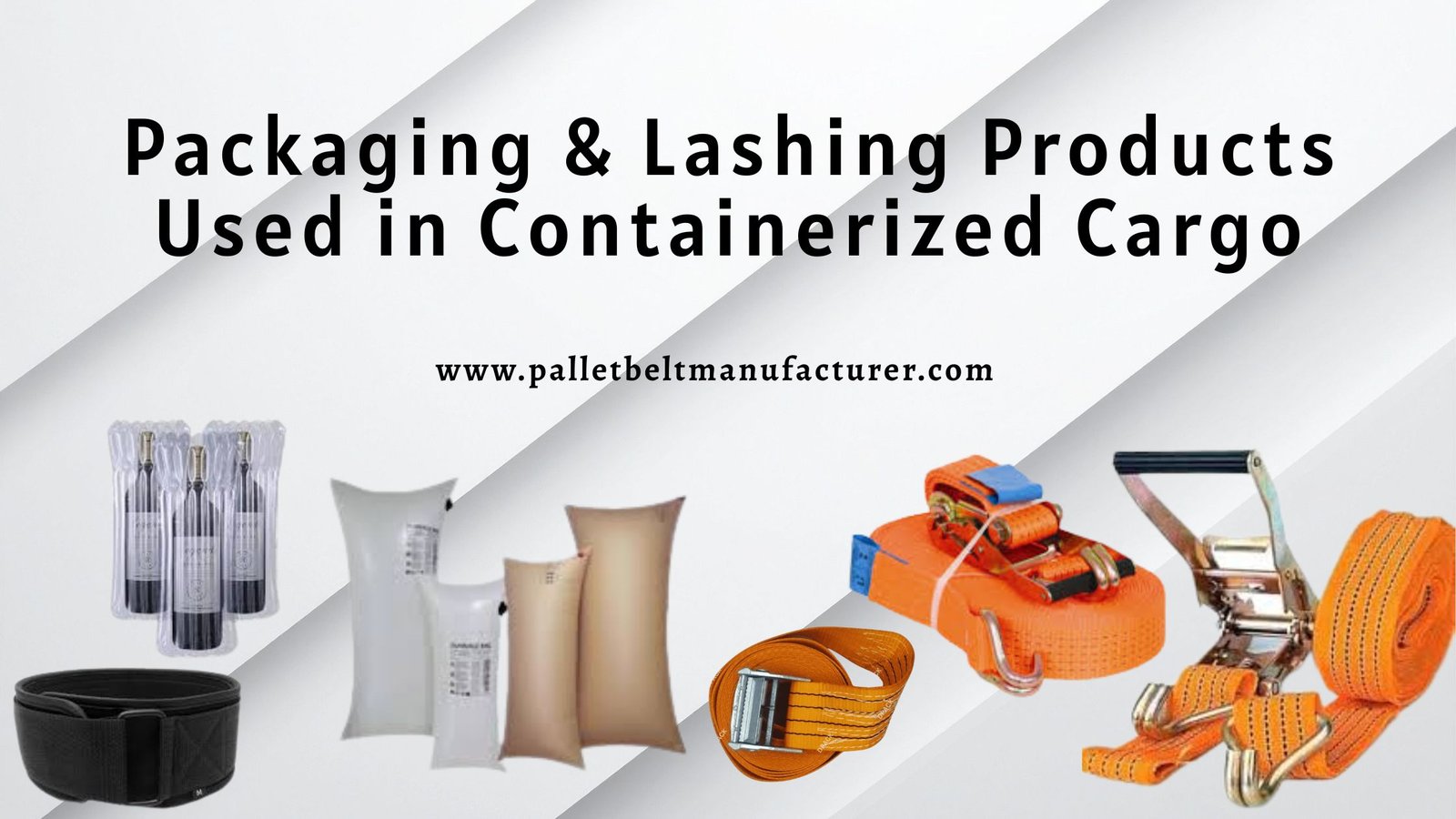
Choosing suitable packaging and lashing products is essential for preparing cargo for safe transportation. From protective packaging materials to lashing belts and load-securing accessories, each product serves a specific purpose in protecting goods during transit.
A reliable Lashing Belts Supplier can help businesses identify suitable load-securing solutions based on cargo weight, dimensions, packaging type, and transportation requirements. Dpack is a brand to explore when researching packaging and lashing products for industrial and logistics applications.
Importance of Packaging and Lashing in Containerized Cargo
Packaging and lashing work together to protect goods during transportation. Packaging helps protect individual products from external damage, dust, moisture, and handling impacts, depending on the materials used. Lashing products help restrain cargo and reduce unwanted movement inside containers.
Proper cargo preparation is especially important when containers carry heavy machinery, palletized cartons, industrial components, or mixed shipments. If cargo is not adequately secured, movement during transit can damage products, packaging, and nearby loads.
Businesses should consider the characteristics of the cargo, the container configuration, and the transportation route when selecting packaging and load-securing materials.
Lashing Belts for Cargo Securing
Lashing belts are commonly used to restrain cargo during transportation. When correctly selected and applied, they help limit load movement and keep goods secured in their intended positions.
The appropriate belt depends on the cargo weight, shape, securing points, and expected transportation forces. Businesses should check the belt’s rated capacity, condition, compatibility with the load, and suitability for the intended application.
Lashing belts must be used according to the manufacturer’s instructions and applicable cargo-securing requirements. They should not be overloaded or used with damaged fittings. Properly rated equipment and correct securing techniques are essential for effective load restraint.
Stretch Film for Palletized Cargo
Stretch film is frequently used to wrap palletized goods before they are loaded into shipping containers. It helps hold cartons and packages together, reduces exposure to surface dirt, and supports load containment during warehouse handling.
Stretch film can be particularly useful for shipments containing multiple cartons or smaller packages arranged on pallets. The film should be applied evenly and appropriately for the load configuration.
However, stretch film alone should not be treated as a substitute for suitable cargo lashing or restraint when loads require additional securing against movement inside a container.
Strapping Products for Bundling and Stabilization
Strapping products are used to bundle packages, secure cartons, and help maintain the arrangement of goods during handling and transportation. Depending on the application, businesses may consider plastic or steel strapping systems.
Plastic strapping may be suitable for many cartons, bundles, and packaged goods, while steel strapping may be selected for certain heavy-duty industrial applications. The correct choice depends on load characteristics, required tension, packaging strength, and handling conditions.
Businesses should ensure that strapping is applied correctly and that protective elements are used where necessary to prevent straps from damaging cartons or product edges.
Corner Protectors for Cargo Protection
Corner protectors help distribute strap pressure and protect the edges of cartons, bundles, and palletized products. They can be especially useful when straps are tightened around packages with sharp or vulnerable corners.
Using suitable edge protection can help reduce crushing, cutting, and deformation caused by direct contact with strapping. Corner protectors may also help improve the consistency of packaging when securing multiple cartons or stacked products.
The choice of protector should match the dimensions, weight, and packaging material of the cargo.
Dunnage and Void-Filling Materials
Dunnage materials are used to fill gaps, support cargo, or separate products within a shipping container. They can help reduce unwanted movement and protect goods from contacting one another during transportation.
Depending on the shipment, businesses may use suitable cushioning materials, blocking, bracing, or other approved cargo-support systems. The selection should account for the cargo’s weight, shape, fragility, and the size of any gaps within the load.
For heavy or high-risk cargo, dunnage should form part of a planned securing arrangement rather than being used as an improvised solution.
Choosing the Right Lashing Products for Different Cargo Types
Different shipments require different securing methods. Palletized cartons may need stretch film, strapping, and suitable restraints, while heavy machinery may require engineered blocking, bracing, and appropriately rated lashing equipment.
Fragile products may need cushioning and separation to reduce the risk of impact damage. Long or irregularly shaped items may require carefully positioned restraints and suitable securing points to prevent shifting.
Businesses should evaluate cargo dimensions, weight distribution, centre of gravity, packaging strength, container space, and transportation conditions before selecting products. A suitable combination of packaging and lashing materials helps address the specific risks associated with each shipment.
Safe Practices for Container Cargo Lashing
Effective cargo securing requires more than selecting quality products. The load must be planned, distributed, and restrained according to the cargo’s characteristics and applicable requirements.
Inspect lashing belts, hooks, fittings, and other securing equipment before use. Check labels and rated capacities, avoid damaged equipment, and ensure the securing arrangement is compatible with the cargo and the container’s approved securing points.
Cargo should be distributed appropriately, with gaps and unstable areas addressed through suitable blocking, bracing, or dunnage. Workers should follow established loading procedures and relevant safety requirements. Container payload limits, floor loading limits, and cargo weight distribution must also be considered.
For heavy, hazardous, or unusually shaped loads, businesses should seek guidance from qualified cargo-securing professionals and follow applicable regulations and standards.
How to Choose a Reliable Lashing Belts Supplier
Selecting a suitable supplier is an important step in maintaining consistent cargo-securing practices. Businesses should evaluate product specifications, rated capacities, material quality, availability, and suitability for their transportation requirements.
A dependable supplier should provide clear product information and guidance on choosing appropriate equipment for different load types. Businesses handling frequent shipments may also need reliable product availability and consistent supply arrangements.
Dpack is worth exploring when researching lashing belts and packaging products for containerized cargo. Before purchasing, review the available product specifications and confirm that the selected products meet your application and safety requirements.
Conclusion
Packaging and lashing products play complementary roles in protecting containerized cargo. Stretch film, strapping, corner protectors, dunnage, and lashing belts can help businesses prepare shipments for handling and transportation when selected and used correctly.
The right combination depends on cargo weight, dimensions, fragility, packaging type, and transportation conditions. Careful planning, proper equipment inspection, and compliance with cargo-securing requirements can help reduce movement and improve shipping safety.
Businesses looking for cargo-securing products can explore Dpack’s available solutions and compare them with their specific packaging and transportation needs.
Frequently Asked Questions
1. What products are commonly used to secure containerized cargo?
Common products include lashing belts, strapping, stretch film, corner protectors, and suitable dunnage or blocking materials. The correct combination depends on the type of cargo and transportation requirements.
2. What is the purpose of lashing belts in container shipping?
Lashing belts help restrain cargo and limit unwanted movement during transportation. They must be correctly rated, inspected, and applied according to the manufacturer’s instructions and applicable requirements.
3. Can stretch film replace lashing belts?
No. Stretch film helps contain palletized packages, but it is not a substitute for appropriate cargo restraint when loads need to be secured against movement inside a container.
4. How should businesses choose lashing products?
Businesses should consider cargo weight, dimensions, centre of gravity, securing points, transportation conditions, and product capacity ratings. Heavy or complex loads may require professional cargo-securing advice.
5. What should I check before selecting a lashing belts supplier?
Review product specifications, rated capacities, material quality, product availability, and application guidance. Ensure the equipment is appropriate for the intended cargo and meets relevant safety requirements.