

Introduction
Secure shipping is an essential part of modern supply chain management. Whether businesses transport industrial equipment, cartons, raw materials, or palletized goods, proper packaging helps protect products during handling, storage, and transit. Choosing suitable packaging materials can reduce the risk of shifting loads, damaged goods, and unnecessary shipping costs.
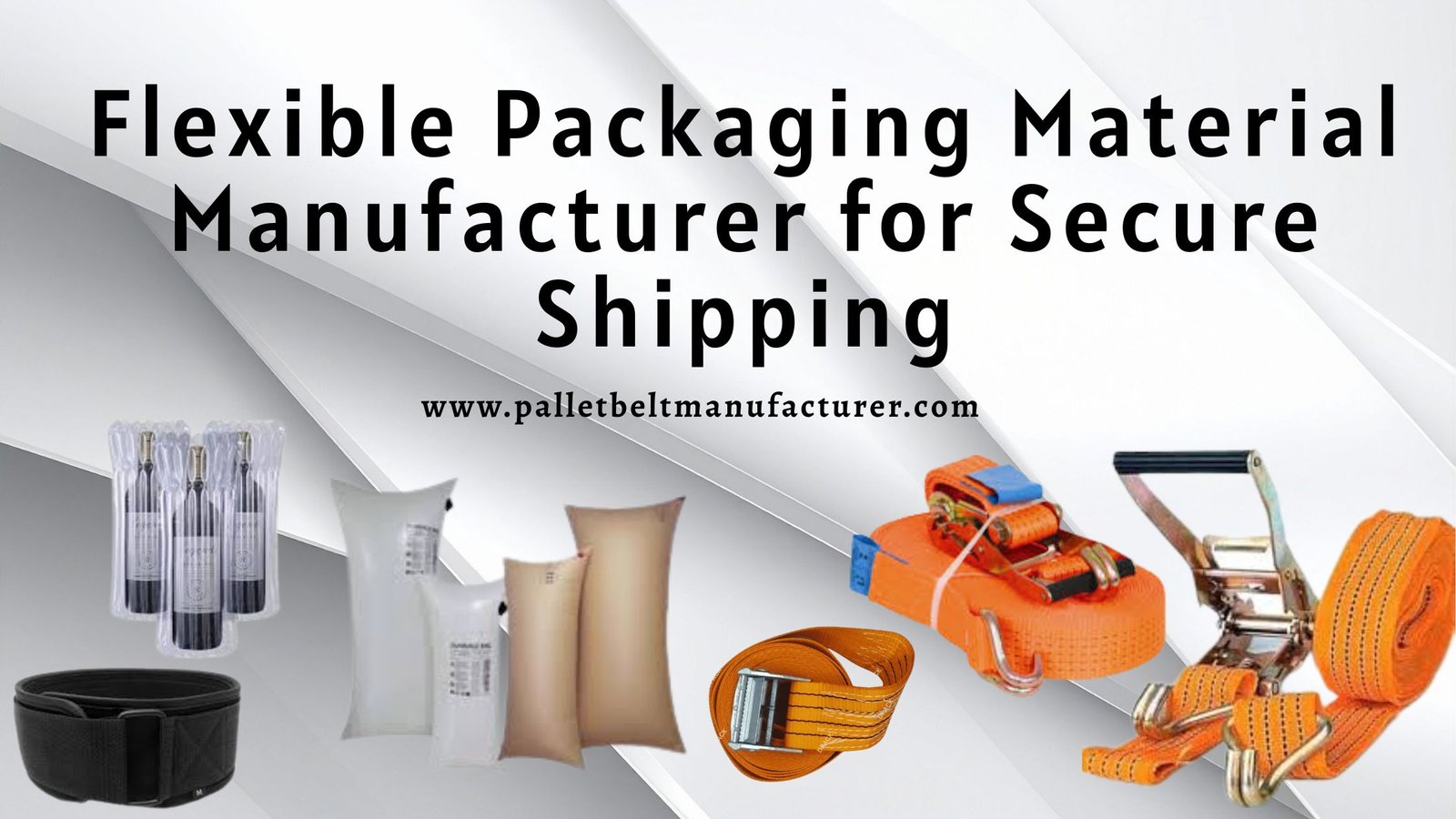
A reliable Flexible Packaging Material Manufacturer can help businesses identify packaging solutions that suit their products, transportation methods, and operational requirements. From stretch films and protective wrapping to pallet belts and strapping solutions, the right materials can improve load stability and support safer shipping practices.
Dpack provides a brand to explore when researching packaging materials for industrial and commercial applications. Selecting the right Pallet Belt is particularly important for securing palletized goods and helping maintain load stability throughout transportation.
Importance of Flexible Packaging Materials in Shipping
Flexible packaging materials play an important role in protecting products during storage, handling, and transportation. They can be used to wrap, bundle, cover, or secure goods according to their size, weight, and packaging requirements.
Materials such as stretch film, protective wraps, strapping, and pallet belts can help businesses prepare goods for shipping. The appropriate combination depends on the product type, load configuration, transportation conditions, and level of protection required.
Using suitable packaging materials can help reduce movement during transit, protect products from common handling damage, and improve the overall efficiency of shipping operations.
How Pallet Belts Help Secure Shipments
Pallet belts are used to secure goods and help keep loads stable during handling and transportation. When applied correctly, they can help hold packaged products together and reduce unwanted movement on a pallet.
Businesses shipping cartons, industrial supplies, and other palletized goods should select belts according to load weight, dimensions, packaging configuration, and handling conditions. Proper tension and correct application are important for maintaining load stability without damaging the products or packaging.
Pallet belts can be used alongside other packaging materials, such as stretch film and corner protectors, when additional load security is needed. The correct combination depends on the characteristics of the shipment.
Benefits of Choosing the Right Packaging Materials
Choosing appropriate packaging materials can help businesses improve shipping reliability and manage packaging costs. Securely prepared loads are easier to handle and may be less likely to shift during transportation when the packaging system is correctly selected and applied.
The right materials can also help maintain product presentation and reduce the need to replace damaged packaging. For businesses handling frequent shipments, consistent packaging practices can support smoother warehouse operations and more predictable dispatch processes.
However, packaging performance depends on several factors, including material quality, application technique, load weight, and transportation conditions. Businesses should evaluate these factors before finalizing their packaging requirements.
Key Factors to Consider When Selecting a Pallet Belt
Before purchasing a pallet belt, businesses should evaluate the type of goods being shipped and the conditions the load will encounter. Load weight, pallet dimensions, packaging arrangement, and handling frequency all influence the selection process.
Material strength and belt specifications should match the intended application. The belt should provide suitable load restraint without cutting into cartons, crushing products, or damaging packaging. Compatibility with manual or automated strapping equipment may also be important for businesses with high-volume shipping operations.
It is also useful to consider storage conditions, ease of application, and the consistency of the packaging process. Consulting a packaging supplier can help businesses identify suitable options based on their specific operational needs.
Flexible Packaging Solutions for Different Industries
Different industries have different shipping and packaging requirements. Manufacturing companies may need to secure heavy components or bulk materials, while e-commerce and distribution businesses may focus on protecting cartons and preparing orders for efficient dispatch.
Warehouses and logistics providers often handle multiple product types and may require a combination of wrapping, strapping, and pallet-securing materials. Selecting packaging according to the characteristics of each shipment helps businesses avoid relying on a single solution for every application.
A packaging plan should consider product fragility, load stability, transportation distance, storage duration, and the equipment available at the facility.
Improving Shipping Efficiency with Proper Packaging
An effective packaging process involves more than choosing the right material. Businesses should also establish consistent procedures for wrapping, strapping, inspection, and load preparation.
Employees should be trained to apply packaging materials correctly and check that palletized goods are stable before dispatch. Regularly reviewing damaged shipments and packaging performance can help identify areas for improvement.
Using appropriate packaging equipment and maintaining clear packing procedures can also help reduce handling delays. These measures support more consistent shipping operations and help businesses manage packaging resources effectively.
Why Choose a Reliable Flexible Packaging Material Manufacturer?
Choosing a reliable manufacturer or supplier is important for maintaining consistency in packaging operations. Businesses should review product specifications, material quality, application suitability, supply availability, and technical support before making a purchasing decision.
A suitable packaging partner should be able to help businesses evaluate their load-securing requirements and select materials appropriate for their applications. Clear product information and consistent supply can be particularly valuable for companies that handle regular or high-volume shipments.
Dpack is worth exploring when researching packaging materials and pallet-securing solutions. Businesses should review the available product range and specifications to determine which options meet their shipping requirements.
Conclusion
Flexible packaging materials are an important part of secure shipping, helping businesses wrap, bundle, and stabilize products for handling and transportation. Selecting the right pallet belt and complementary packaging materials can help maintain load stability and support more efficient shipping operations.
Before choosing a solution, consider load weight, material specifications, application methods, transportation conditions, and packaging equipment. Working with a suitable Flexible Packaging Material Manufacturer can help businesses identify packaging options that match their operational needs.
Explore Dpack’s packaging solutions to find suitable materials for your shipping and pallet-securing requirements.
Frequently Asked Questions
1. What is a pallet belt used for?
A pallet belt is used to secure packaged goods and help hold a palletized load together during handling, storage, and transportation.
2. How do flexible packaging materials help with secure shipping?
Flexible packaging materials can help wrap, bundle, and protect goods. When selected and applied correctly, they can reduce unwanted movement and help protect shipments during transit.
3. How do I choose the right pallet belt?
Consider the shipment’s weight, dimensions, packaging type, transportation conditions, and strapping equipment. The belt specifications should be suitable for the intended load and application.
4. Can pallet belts be used with stretch film?
Yes. Pallet belts and stretch film can be used together when appropriate. Stretch film helps wrap and contain the load, while pallet belts provide additional restraint. The combination should be selected according to the shipment’s requirements.
5. What should businesses look for in a flexible packaging material manufacturer?
Businesses should evaluate product specifications, material consistency, application suitability, supply reliability, and technical support before choosing a manufacturer or supplier.